March 16, 2020: Day 1 of my new job.
March 18, 2020: You probably remember.
What I brought to this project: brand concepting, template systems, environmental and print design, pitch deck development, event photography, food and beverage photography.
A performing arts center lives or dies on people being together in the same room. When that became impossible overnight, nobody knew what came next — including me, two days into a new job, having barely learned my teammates' names before we all went home. Within weeks, an organization of 200 was reduced to 50. The center shuttered with no clear end in sight. It was terrifying in the specific way that 2020 was terrifying: not just personally, but collectively. What do you do when the thing you do requires human proximity and human proximity is the problem?
The answer, eventually, was Frontyard Festival.
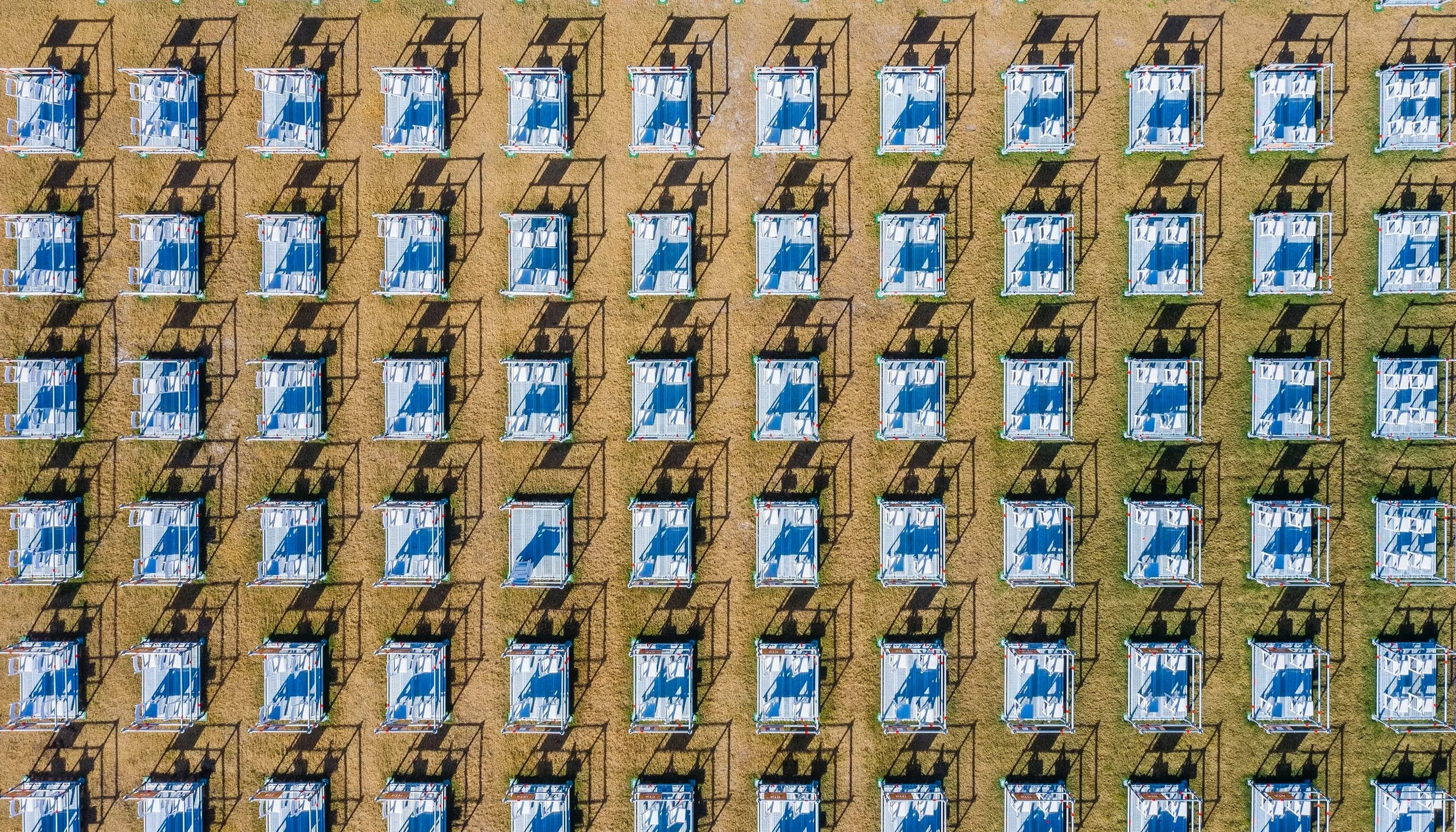
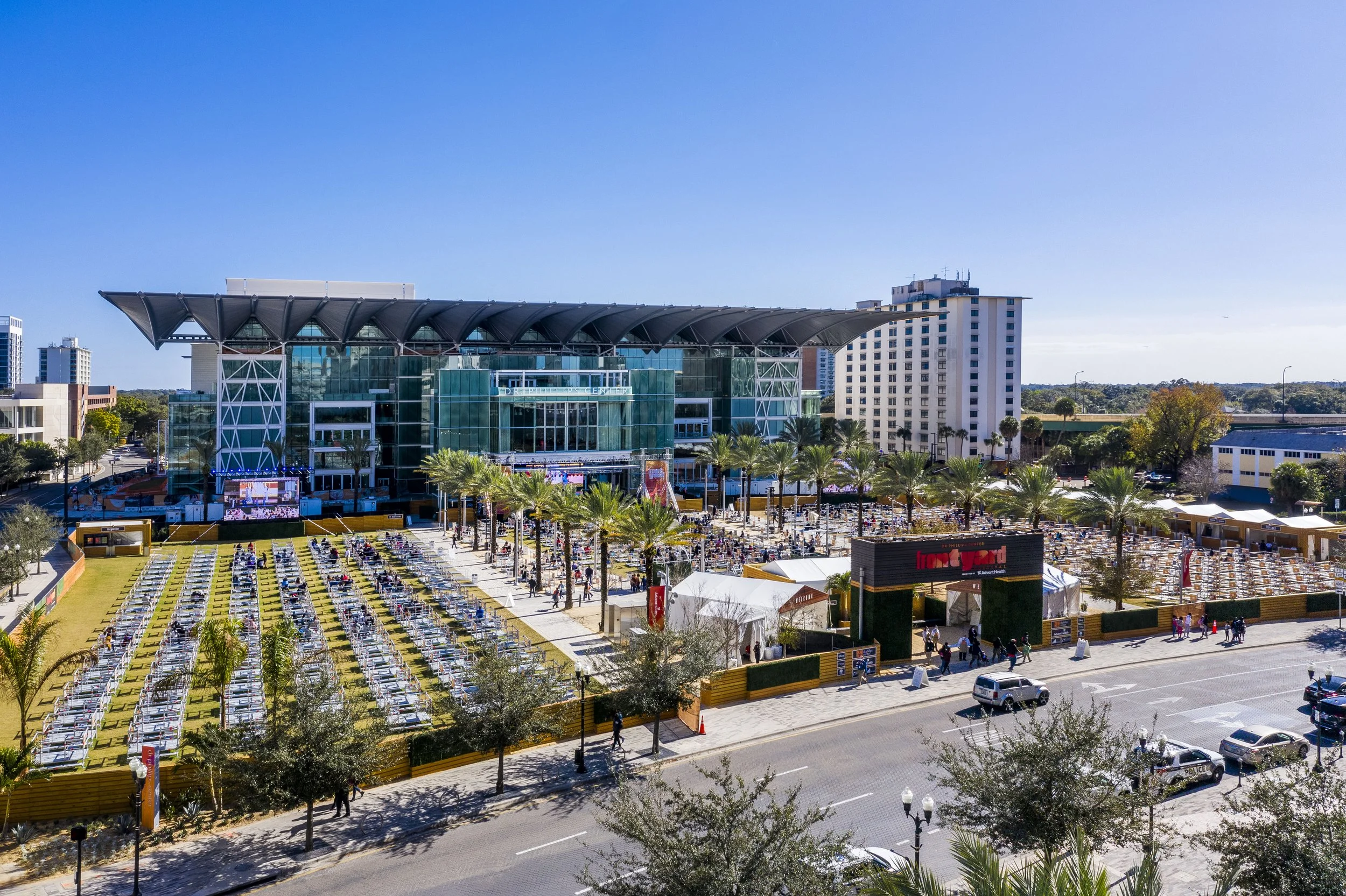
We transformed Seneff Plaza, the center's outdoor green space, into hundreds of individual "boxes," each with tables, chairs, and food and drink delivery. Named for
Dr. Phillips himself, who was known for entertaining family and friends in his front yard. Bring the ‘before-time’ back, carefully, in the open air. And most of all, make it a community effort. Local restaurants set up individual stalls. Local artists performed during the day. Students could still learn their craft, still on stage, outside in a safe environment. The center wasn't just trying to survive; it was trying to bring people with it.
A bare-bones team built an outdoor music venue from the ground up.
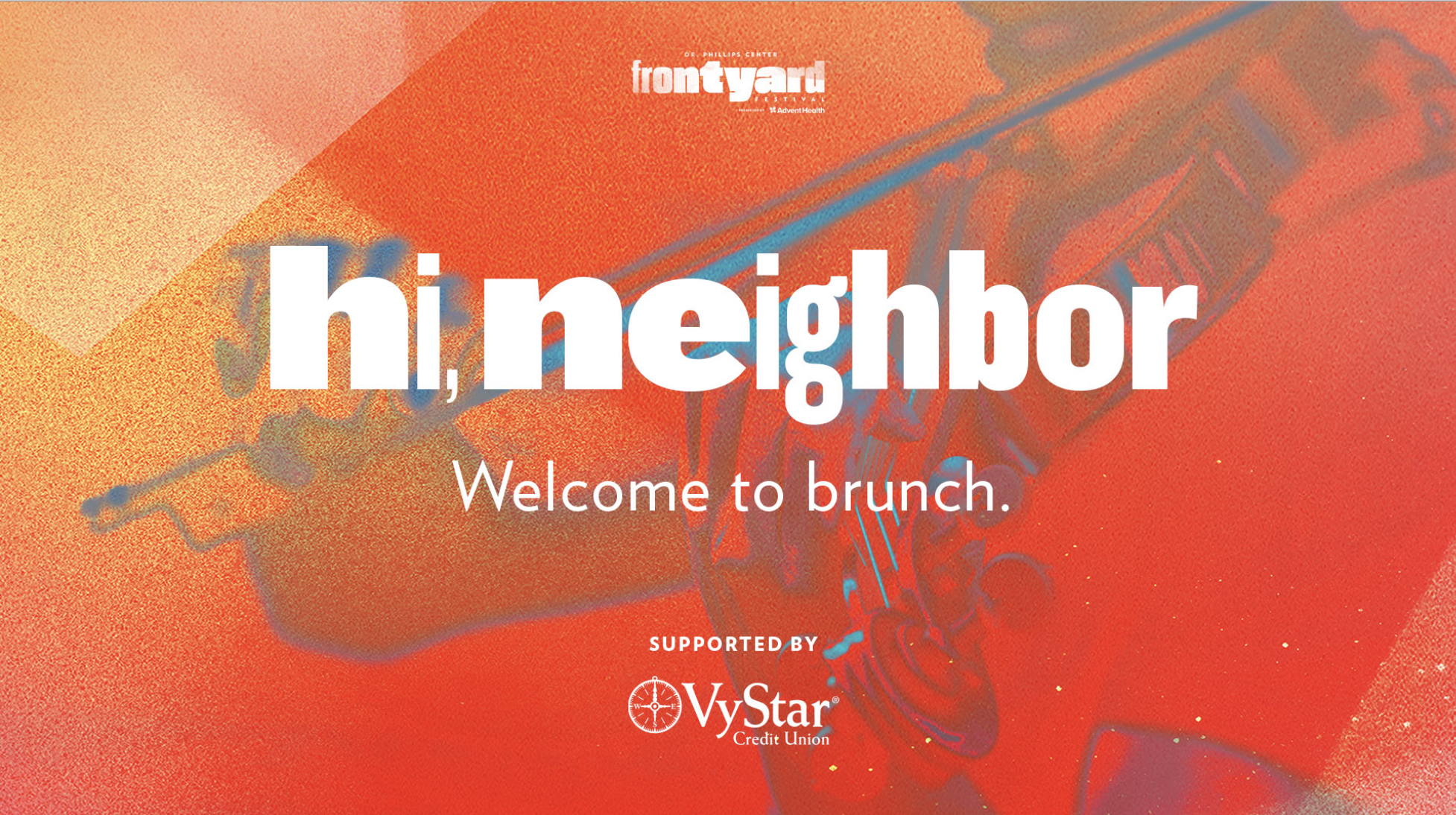
I was new enough that I was still figuring out where things were saved on the server. But being new also meant I had bandwidth while longer-tenured staff navigated the harder institutional questions. I worked on logo concepts — one of mine influenced the direction the Creative Director ultimately landed on — and from there helped build the templates that made it possible for a very small team to produce an enormous volume of work: environmental signage, flyers, ads, digital banners, merchandise, restaurant and sponsor signage. I also helped develop the pitch deck used to book artists and secure donor funding. The design work wasn't just aesthetic. It was making the argument that Frontyard should exist.
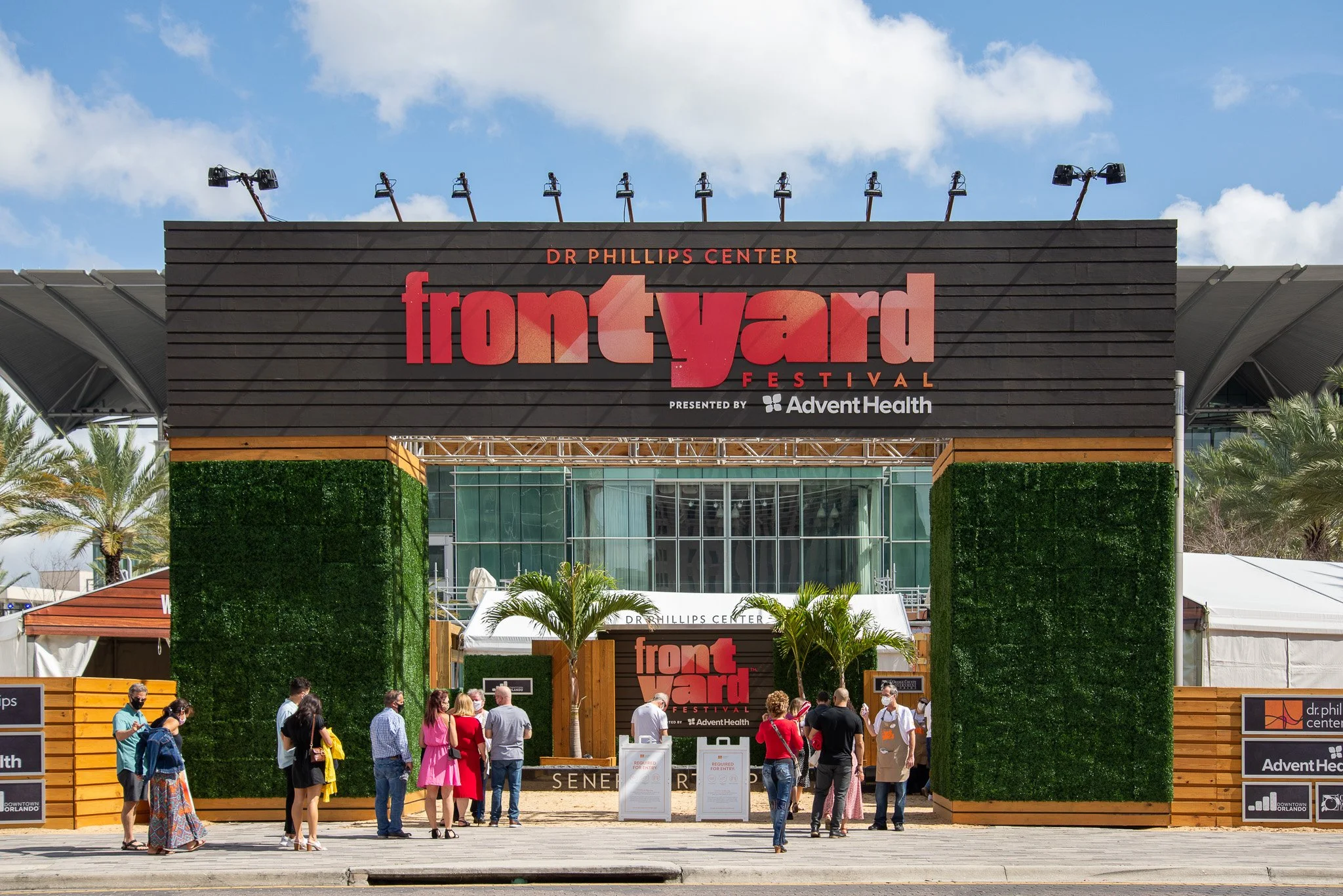
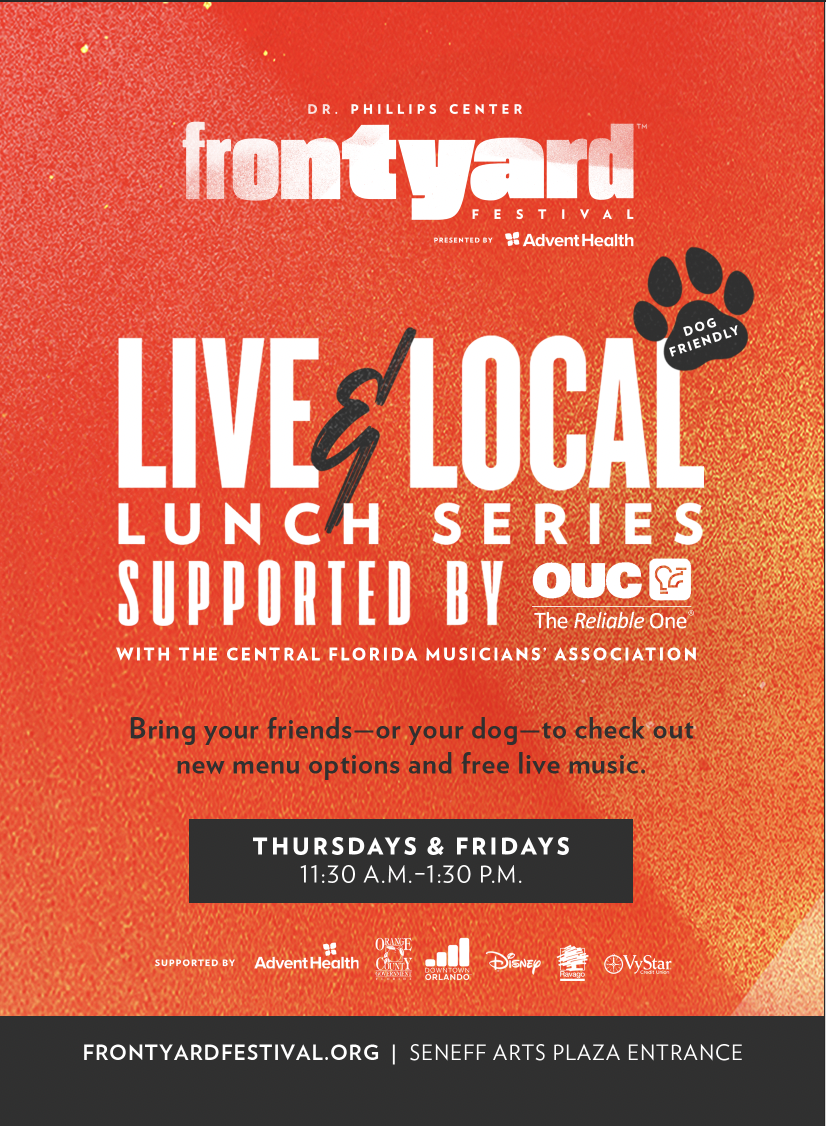
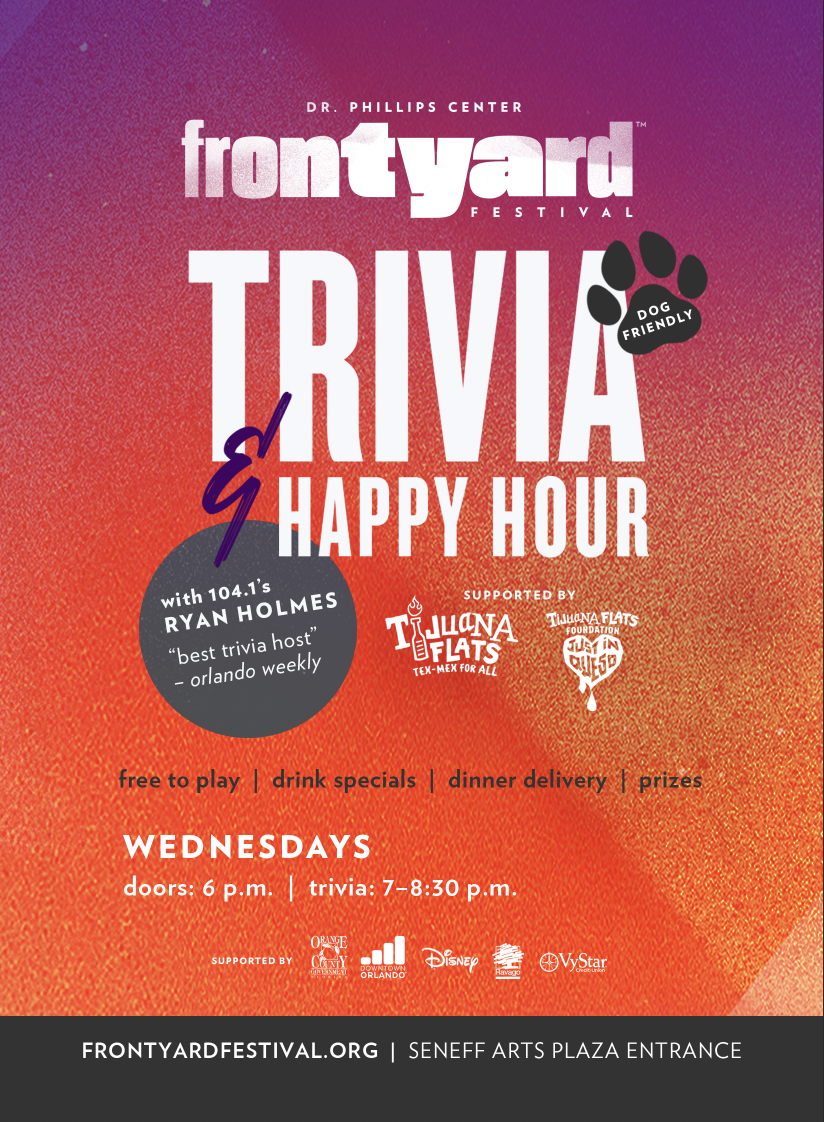
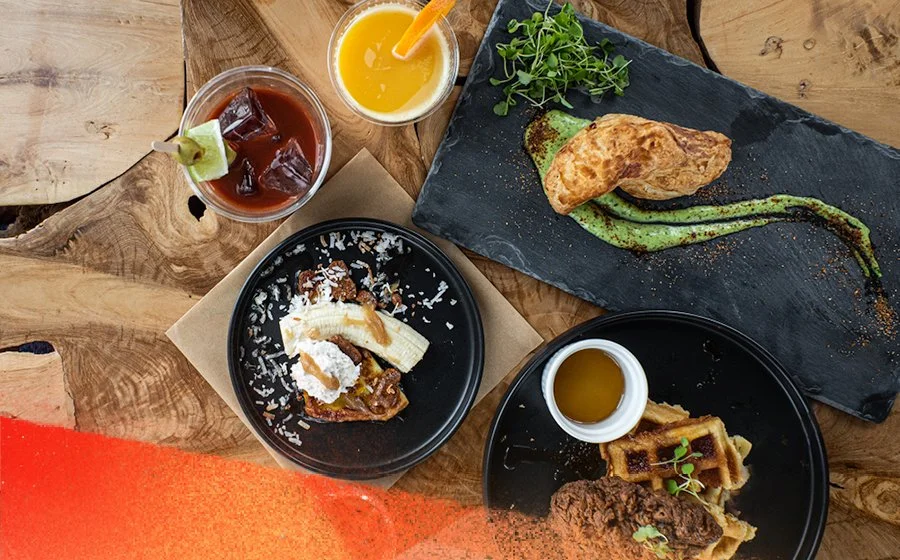
Because I also happened to be a photographer, the food and beverage photography became mine — staged, shot, and delivered alongside everything else. That's how small the team was. You did what you could do. (You also, at some point, zip tied numbered signs to hundreds of individual pods by hand in Florida heat. Every project has that day.)
Building fast means finding some things out the hard way. Our digital screens, bright white against a dark night sky, were visible from approximately the moon. We fixed it. There were other moments like that — the inevitability of building something new, quickly, with a small team under unusual pressure. You learn to treat them as data instead of disasters!
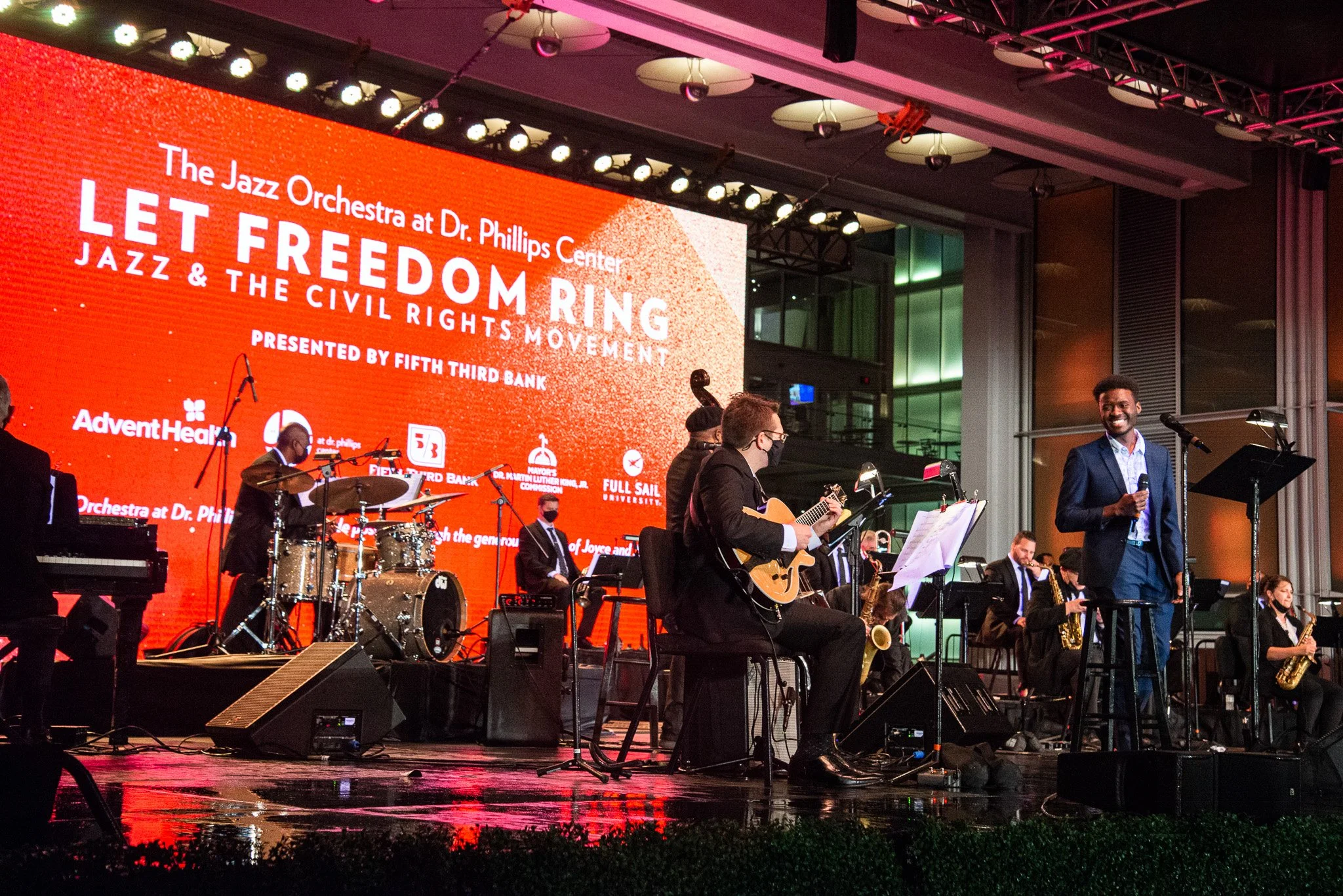
When Frontyard opened, I worked the events, photographing shows from the inside. And at some point I got to just be there — as a guest, watching people settle into their boxes, live music happening, wood fired pizza arriving from a local stall down the row. I attended another night with a group of friends for trivia night, and our team ended up winning.
After months of uncertainty and isolation, it just felt good to enjoy the things from the before time: carefully, gratefully, together.